
Reasons to Invest in Gold
 By Tim Schmidt Sr.
Gold IRA Investor.
The Case for Physical Gold in Your Portfolio
I’ve been a precious metals investor for 17 years. After watching my investments tank in 2008, I learned something that a financial advisor simply won’t recommend because they don’t get paid to do it. That simple lesson is that the precious metals market (even gold stocks, exchange traded funds, and gold funds) can be a way to hedge against market volatility.
Today I’ll share my take on why precious metals investments are an important part of my portfolio. And for transparency, I invest mainly in physical precious metals such as gold coins and silver coins in my most important asset – my retirement portfolio.
>> To be even more transparent, you can view my investments in precious metals on this page.
With that disclosure aside, let’s talk about why you should consider investing in precious metals.
Store Of Value Versus Growth Asset
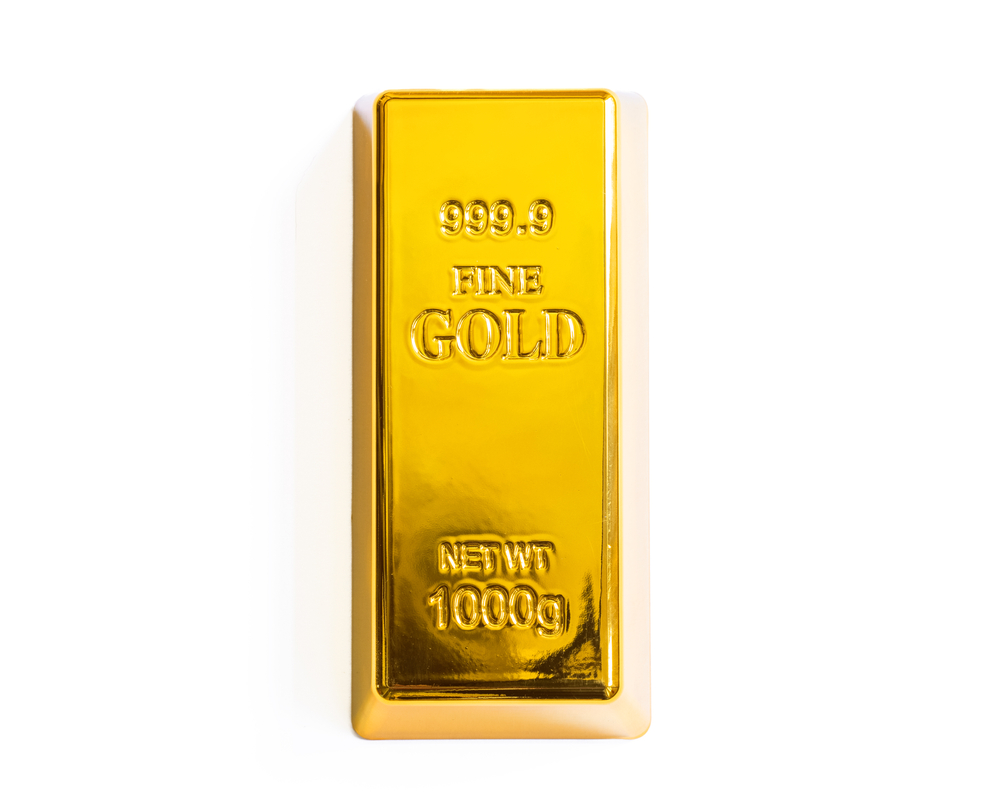
Gold’s primary job in a portfolio is preservation, not production. Unlike equities, it doesn’t compound earnings. Instead, it tends to hold purchasing power across long stretches of time and different monetary regimes. Unlike fiat currencies, which can be printed at will and devalued by government policies, gold’s limited supply makes it a more stable and reliable store of value. Since the U.S. left the gold standard in 1971, gold’s nominal annualized return has been roughly in the high single digits, with a meaningful chunk of that tied to inflation and currency trends rather than organic growth.
Think of it as portfolio insurance that doesn’t go to zero when unused. During risk-off episodes (credit panics, geopolitical shocks), gold’s price often rises or, at minimum, falls less than equities. Over decades, that behavior can improve risk-adjusted returns even if gold lags stocks during expansions.
What Gold Is Not: Income Or Cash Flow

Gold pays no dividend and produces no cash flow. That’s not a flaw: it’s a feature. The absence of yield means gold competes directly with real interest rates and investor sentiment. It shouldn’t be expected to replace core equity or bond holdings, nor should it be judged by dividend screens. If the goal is steady income, bonds or dividend-paying stocks are the tools. If the aim is a hedge against monetary and market stress, gold fits the brief.
Performance, Correlations, And Inflation Dynamics of Physical Metals
Long-Term Returns And Drawdowns
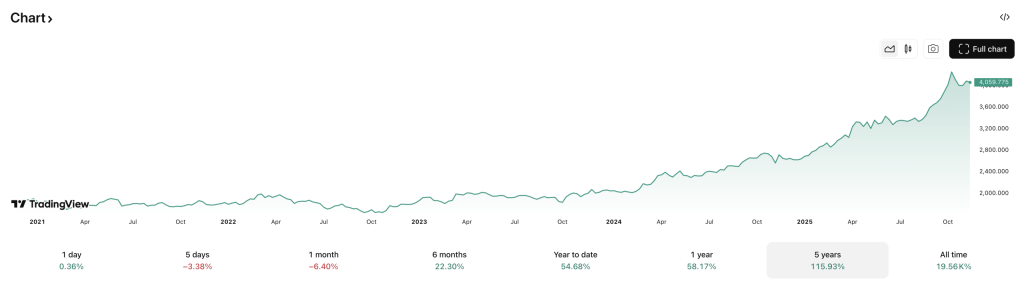
Zooming out, gold’s long-term record is respectable but lumpy. Since the early 1970s, it has delivered positive real returns, but with multi-year cycles. Notably, after peaking in 2011, gold declined roughly 40–45% into late 2015 before recovering in the years that followed. That’s the trade-off: strong protection at certain times, patience required at others. Investors who ask should I buy gold should recognize that the asset demands a long horizon and tolerance for dry spells.
Correlation In Crises
Gold’s correlation with equities is low on average and tends to turn more negative in selloffs. In the 2008–2009 financial crisis, gold broadly held its value while global stocks fell sharply. During the 2020 pandemic shock, gold initially wobbled in the liquidity scramble but soon rallied to new highs as policy responses kicked in and real yields sank. That pattern, resilience when risk assets are under stress, is the main diversification benefit.
Inflation And Real Rates
Gold’s relationship with inflation is indirect. It’s not a perfect month-to-month hedge against CPI, but over multi-year periods of rising prices and uncertainty, it has tended to keep up or outpace inflation. The tighter driver is real interest rates (nominal yields minus inflation). When real rates fall, because inflation rises faster than yields, or central banks suppress rates, gold usually benefits. Conversely, when real yields rise meaningfully, the opportunity cost of holding non-yielding gold increases, and prices can soften.
Allocation Strategies And When Gold Works
Strategic Versus Tactical Allocations
A strategic allocation means owning gold through cycles, typically 2–10% of a diversified portfolio. That approach doesn’t try to time inflation scares or policy pivots: it simply counts on gold’s low correlation and crisis convexity. Tactical investors, by contrast, may increase exposure when real rates trend lower, when currency debasement fears rise, or when macro uncertainty spikes. Both approaches can work, but the strategic route reduces timing risk and decision fatigue.
Position Sizing And Rebalancing
Sizing should reflect objectives and risk tolerance. Conservative investors might anchor closer to 2–5%: those seeking stronger crisis hedging or holding equity-heavy portfolios may consider 5–10%. Rebalancing annually or semiannually helps lock in gains when gold rallies and adds incrementally when it’s out of favor, turning volatility into an ally rather than a threat.
Time Horizon And Liquidity Needs
Gold can lag for years, so a multi-year horizon is essential. For near-term liabilities, liquid vehicles like gold-backed ETFs are typically more practical than physical bullion. Digital gold platforms also offer high liquidity and easy trading, but unlike physical ownership, they may lack the security and legitimacy that comes with holding tangible assets. For long-term wealth preservation, a mix, liquid market exposure plus some allocated physical, can balance convenience and sovereignty.
Ways To Invest in Gold: Physical, Funds, Futures, Miners
Physical Bullion And Coins
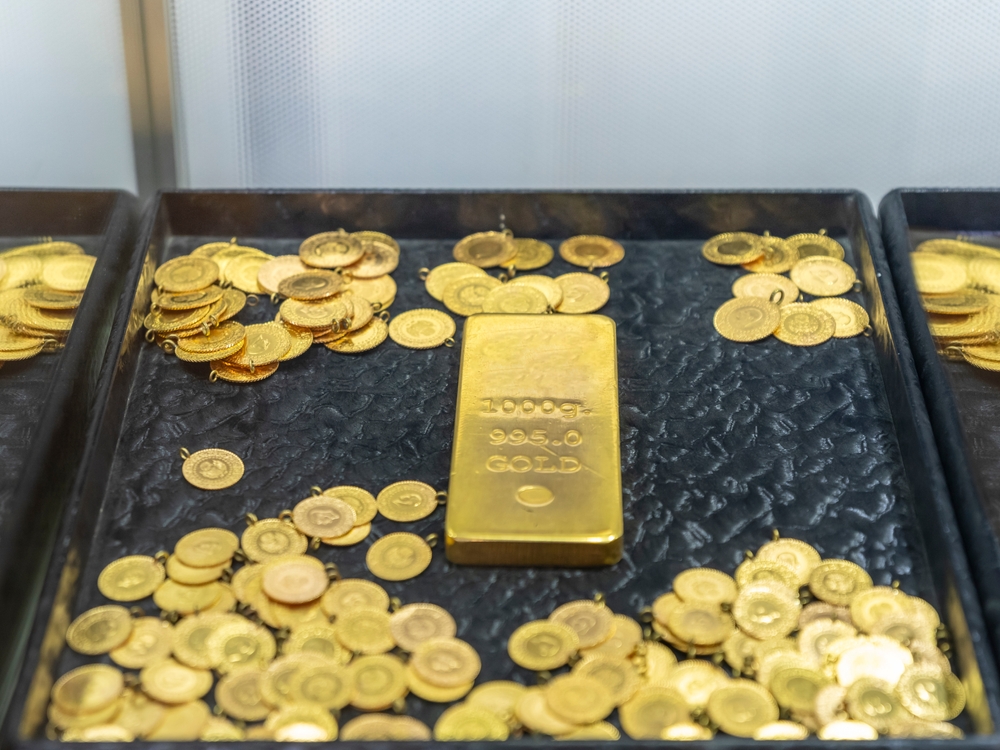
Owning bars or widely recognized coins (such as gold coins like American Eagles, Canadian Maple Leafs, Britannias, or gold bars) offers direct exposure to physical metals without financial intermediaries. This approach is known as owning physical gold, which means you have direct, tangible ownership of the physical precious metals themselves. Physical ownership is important for investors who want to hold real assets as a safeguard and diversification tool, especially during economic volatility. I purchase gold for this exact reason.
It also introduces practical considerations: secure storage, insurance, and premiums over spot when buying (and discounts when selling). Always verify the physical metal you purchase and ensure transparency about where and how it is stored, as security and storage are critical factors with physical metals. Physical is best suited for those who value self-custody and are comfortable managing logistics.
Gold-Backed ETFs And Funds
Exchange-traded funds that hold allocated bullion provide the cleanest market exposure for most investors. They trade intraday, usually have tight bid–ask spreads, and charge management fees that are generally lower than the costs of insuring and storing personal bullion. Gold funds, such as ETFs and mutual funds, as well as gold stocks, are additional financial gold investment options that require an investment account and are influenced by various market factors. Mutual funds and closed-end funds exist too, some with unique structures or regional tax considerations. The rise of digital gold platforms has also made gold investing more liquid and accessible, offering a modern alternative to traditional physical gold. When selecting a fund, look at expense ratio, custody arrangements, historical tracking error, and secondary-market liquidity.
Futures And Options
Gold futures on major exchanges are highly liquid and capital-efficient, but they’re leveraged instruments. Futures contracts allow investors to gain exposure to gold price movements without holding the physical commodity. A small price move can produce large gains, or losses, relative to posted margin. They suit experienced traders who need precision hedging, short-term exposure, or the tax profile of Section 1256 contracts in the U.S. Options on futures or on gold ETFs add flexibility for hedging tail risks or expressing volatility views, with the usual caveat: options decay.
Mining Stocks And Royalty Companies
Miners offer equity-like upside linked to gold prices and operational execution. Gold mining stocks, such as Barrick Gold, offer investors exposure to gold prices through publicly traded companies. The valuations of these companies are influenced by their gold reserves and operational performance. They can outperform bullion in bull markets due to operating leverage, but they bring company-specific risks: costs, reserve quality, jurisdiction, and management. Royalty/streaming companies often have lower operating risk and broader diversification across projects, but they’re still equities with market beta. For pure precious metals exposure, miners are complements, not substitutes, for bullion.
Risks, Costs, And Taxes
Storage, Premiums, And Spreads
Physical gold involves custody costs: home safes, bank safe-deposit boxes, or professional vaulting with insurance. Physical gold bullion is typically bought and sold at a premium above the spot price, and transaction costs show up as premiums over spot when buying and spreads when selling, which can widen in stressed markets. Funds charge ongoing expense ratios: futures have exchange and brokerage fees plus roll costs if positions are maintained over time.
Liquidity And Tracking Error
Large gold ETFs and front-month futures are typically very liquid. Physical liquidity depends on what you own and where you sell: common sovereign coins are easier to transact than obscure bars. Tracking error, how closely a vehicle follows spot, tends to be small for well-run ETFs but can diverge in closed-end funds or during extreme dislocations.
Tax Treatment And Reporting
U.S. tax rules vary by vehicle:
- Physical gold and most bullion-backed ETFs are treated as collectibles, with a maximum 28% long-term capital gains rate. Short-term gains are taxed as ordinary income.
- Gold futures (Section 1256) are marked to market annually and benefit from the 60/40 split, 60% long-term, 40% short-term, regardless of holding period.
- Mining stocks are taxed like equities: gains follow standard capital gains rules, and qualified dividends may get preferential rates.
Always confirm specifics with a tax professional: state and international rules differ, and fund structures can change over time.
Getting Started With Your Gold Investing Journey
Define Objectives And Constraints
Clarify the job gold should do in your portfolio: hedge inflation, reduce drawdowns, diversify currency risk, or act as a crisis ballast. Note constraints like risk tolerance, time horizon, tax bracket, and whether self-custody is desirable.
Choose Vehicles And Custody
- For simplicity and liquidity: a low-cost, bullion-backed ETF. Investors may also consider gold-related investments such as ETFs or funds that include other precious metals like silver, platinum, and palladium, as well as alternative investments for broader diversification.
- For sovereignty and no counterparty exposure: allocated physical with reputable dealers and insured vaulting.
- For tactical or tax-specific needs: futures or options, acknowledging leverage. These alternative investments can offer additional flexibility and liquidity, but require careful risk management.
- For growth tilt: a measured sleeve of high-quality miners or royalty companies alongside bullion exposure, or exposure to other precious metals and gold-related investments for a more diversified approach.
Why I Chose Gold Coins for My Retirement
When I started adding gold coins to my retirement portfolio, gold prices were about half they are right now. People say that gold prices fall when the market is performing well, but if you look at the charts, gold prices have hit many all time high’s dating back to 2024 and continue to surge. Gold mining stocks have surged despite the S & P setting new highs. I bet your financial advisor has not told you this.
For me, my retirement is my nest egg. My most important asset. This is why I decided to move a portion of my IRA to gold and silver coins. It makes me sleep better at night.

Conclusion
Gold isn’t a magic wand, and it isn’t obsolete. It’s a specialized tool different from major asset classes. It’s a store of value with low correlation to risk assets, responsive to real rates and policy regimes. For investors who ponder why buy precious metals, the answer is rarely “to beat stocks” and often “to build a more resilient portfolio.” A thoughtful allocation, sized appropriately, held through cycles, and owned via the right vehicles, can help portfolios bend without breaking when the unexpected shows up, as it always does.
Frequently Asked Questions
Why invest in Precious Metals as part of a diversified portfolio?
The core case for gold is preservation, not growth. It helps maintain purchasing power over time and often holds up when risk assets fall. With low—and more negative in crises—correlation to stocks, gold can improve risk-adjusted returns and act as portfolio insurance during market and monetary stress.
How much gold should I allocate, and how often should I rebalance?
A strategic 2–10% allocation is common: 2–5% for conservative investors, 5–10% for stronger crisis hedging or equity-heavy portfolios. Rebalance annually or semiannually to trim after rallies and add after declines, turning volatility into an ally while keeping risk aligned with your long-term objectives.
Is gold a good hedge against inflation?
Gold isn’t a perfect month-to-month CPI hedge, but over multi-year periods of rising prices and uncertainty, it tends to keep up or outpace inflation. The tighter driver is real interest rates: when real yields fall, gold typically benefits; when real yields rise meaningfully, gold often softens.
What are the main ways to invest in gold, and how do they differ?
Options include physical bullion/coins (self-custody but storage and premiums), gold-backed ETFs (liquid, low cost, track spot closely), futures and options (leveraged, for experienced traders), and mining or royalty stocks (equity risk with upside leverage). For pure exposure, bullion or bullion-backed ETFs are most direct.
When is the best time to buy gold?
Timing gold precisely is hard. Historically, gold gains when real interest rates fall, the dollar weakens, or macro uncertainty rises. A pragmatic approach is phased purchases and a strategic allocation held through cycles, using disciplined rebalancing rather than trying to predict short-term rate or policy moves.
Why Purchase in gold instead of Bitcoin or other assets as a hedge?
Gold has a long, cross-regime track record as a store of value with low equity correlation and liquidity across crises. Bitcoin offers potential upside but has higher volatility and shorter history as a macro hedge. Many allocate chiefly to gold for stability, with a smaller, speculative sleeve to crypto if desired.